
Publications
01.04.2026
SPHN: From initiative to sustainable data infrastructure for research
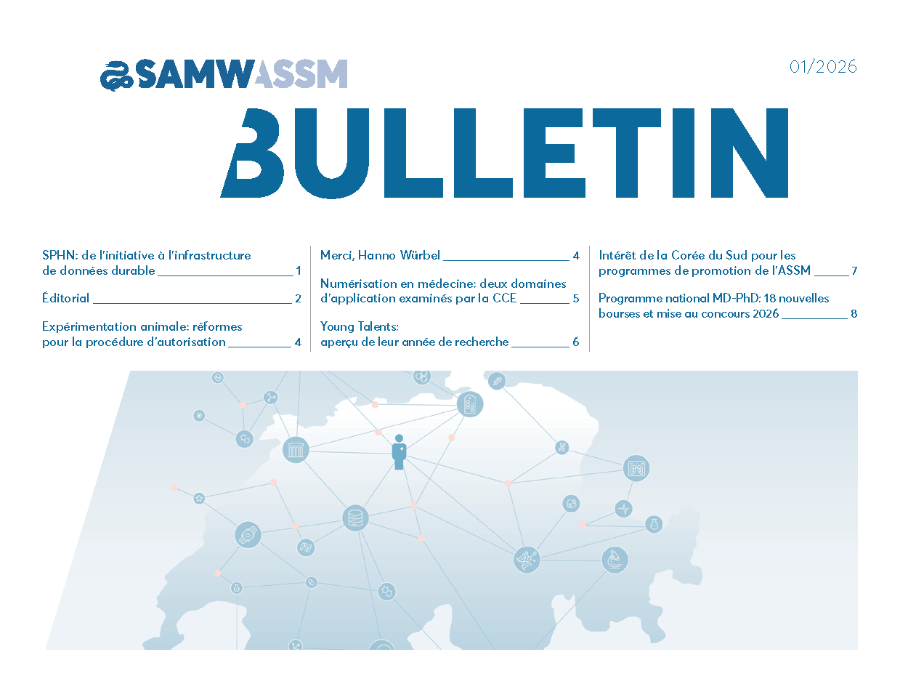
Since 2017, the Swiss Personalized Health Network (SPHN) has been establishing a nationwide data infrastructure that makes clinical data from hospitals and other health data findable, interoperable, and securely accessible. In the main article of the current SAMS Bulletin, Prof. Matthias Baumgartner, SPHN Chair and member of the SAMS Executive Board, reflects on the two funding phases up to 2024 and provides an outlook through the end of 2028.
In the Bulletin 1/2026, the Ethics Committee for Animal Experimentation (ECAE) looks back as well – at the commitment of its President, Hanno Würbel – and ahead to possible reforms of the authorisation procedures for animal experiments. You can also read about the topics the Central Ethics Committee (CEC) is addressing in the field of digitalization and how two former Young Talents in Clinical Research experienced their research year. In addition, the issue includes information about a visit from Korea and on the MD-PhD Fellowships Program.
SAMS Bulletin 1/2026, French version (PDF)
Projects
31.03.2026
smarter medicine: Top 5 list for Home Care published
The association «smarter medicine – Choosing Wisely Switzerland», of which the SAMS is a member, is committed to providing optimal healthcare in Switzerland. It encourages professional societies to draw up Top 5 lists defining interventions that should be avoided altogether or only used under specific conditions. In March 2026, the Academic Professional Group for Spitex Nursing of the Swiss Association for Nursing Science (VFP) published a Top 5 list.
The VFP recommendations illustrate how home care can be delivered effectively, safely, and in a patient-centred manner. They focus on the targeted promotion of clients’ resources, the involvement of family members, early identification of risks and the avoidance of unnecessary nursing interventions. The aim is to maintain independence and ensure high quality of care. You can download the Top 5 list here (in French); all other lists are available on the smarter medicine website (in French or German).
Top 5 list, French version (PDF)
Academy
30.03.2026
The SAMS engages with medical students
The Swiss Association of Medical Students (swimsa) invited the SAMS to run a booth at the Swiss Medical Students’ Convention (SMSC), which took place from 27 to 29 March in Bern. This event, held twice a year, aims to offer medical students the opportunity to exchange ideas, gain knowledge, and build network. On the agenda for this edition: the question «who cares?!», raised in relation to the healthcare system.
A recurring theme in public debate, the proper functioning of the healthcare system is a concern for medical students. Yet this topic is rarely addressed during their studies. The SMSC provided an overview of the structures, responsibilities and relationships that define the system in which the students will one day work. Many of them stopped by the SAMS stand to discuss this shared concern and the Academy’s activities with Secretary General Valérie Clerc.
Further information
Ethics
23.03.2026
Digitalisation in medicine: The CEC focuses on current developments
Digital applications are increasingly being used in medical practice. They can improve the quality of care, promise greater efficiency, and open up new forms of collaboration. At the same time, these developments confront us with new medical-ethical challenges. The Central Ethics Committee (CEC) of the Swiss Academy of Medical Sciences (SAMS) is currently addressing questions related to digital surveillance and clinical information systems (CIS) in order to contribute to a responsible use in practice.
Digital surveillance systems are increasingly being used in inpatient and long-term care facilities where they are expected to enhance efficiency and improve patient safety. However, such technologies cannot replace personal contact and compassionate care. A similar consideration applies to the use of clinical information systems (CIS). While these systems can facilitate communication and strengthen patient autonomy, they must not adversely affect the physician–patient relationship. The CEC has established two working groups to examine these issues in greater depth. Their position statements are expected to be published later this year.
Further information
Ethics
19.03.2026
Futility in psychiatry: when treatments reach their limits
The concept of therapeutic futility is well established in somatic medicine. The SAMS has explored the topic in depth, particularly in the context of the pandemic, and published its thoughts on the concept of futility in medicine in 2021. However, questions surrounding ineffectiveness and futility in psychiatric care were left out. An international and interdisciplinary group of experts has closed this gap and published a consensus paper, which is recommended reading.
When is psychiatric treatment no longer appropriate because its expected benefits are no longer proportionate to the associated burdens? The expert group, which included the President of the SAMS’ Central Ethics Committee Paul Hoff, examined this question in depth and discussed various concepts of futility. In a recently published article, they present a consensus-oriented ethical approach to assessing futility in psychiatry, highlight the risks and potential of futility assessments, and formulate requirements for transparent, participatory decision-making processes. Download the article and explore the topic in more depth on our website.
Download the article (PDF)

Projects
16.03.2026
CAS One Health: Sustainable health for humans, animals and the environment
To successfully tackle the complex problems of our time, all disciplines, sectors and population groups must work together. This also applies to medicine. The One Health approach, which the SAMS supports in its position papers, aims to restore the balance between humans, animals and ecosystems. The University of Bern offers a CAS course in nine modules on this topic. The program starts in September and the application deadline is 31 May 2026.
The course provides the theoretical and practical foundations of the One Health approach from a variety of interdisciplinary and cross-sectoral prisms. It comprises four basic modules and five thematic modules to choose from. The «Network for Transdisciplinary Research» (td-net) of the Swiss Academies of Arts and Sciences (a+) is involved in delivering the basic modules. Detailed information can be found on the program website. The SAMS’ position paper «Promotion of health services respecting planetary boundaries» can be downloaded in French and German.
Position paper, French/German (PDF)

SPHN
13.03.2026
Great recognition: SPHN at the Viktor Award gala
The Swiss Personalized Health Network (SPHN) took part yesterday in the Viktor Award 2025 ceremony as nominee in the category «Pioneering Achievement in the Swiss Healthcare System». The Award went finally to the Fondation ART-THERAPIE for promoting art and music therapy in pediatric hospitals. However, SPHN’s nomination itself is a great recognition of the commitment from a large community of university and cantonal hospitals, universities, and research infrastructures throughout Switzerland. The SAMS and SPHN thank the public and the jury for their support.
Funded by the Swiss Confederation since 2017, SPHN is a national data infrastructure under the responsibility of the SAMS in collaboration with the SIB Swiss Institute of Bioinformatics. It makes health data interoperable and reusable for research in Switzerland. Over the past nine years, SPHN has laid the foundations for data-driven medicine, connected a fragmented ecosystem, and delivered lasting impact for patients and the healthcare system. These achievements were recognized with SPHN’s nomination. More information can be found online.
Visit the website
SPHN
09.03.2026
Swiss Personalized Health Network: Sounding Board launched
Last week, the SPHN Sounding Board convened in Bern for its inaugural meeting. More than 30 experts representing a broad spectrum of institutions gathered at the House of Academies to discuss, among other things, how SPHN’s strategic goals for the period 2026–2028 should be prioritized. The launch of the Sounding Board reflects SPHN’s commitment to including the needs and perspectives of all stakeholders in the network’s strategic development.
The Sounding Board is tasked with reflecting on SPHN’s strategy, guidelines, and implementation plans. It can also propose and endorse projects and working groups that strengthen SPHN’s embedding in the national health research environment and ensure seamless interfaces with all relevant partners. At the first meeting, the board members became acquainted with one another and gained a shared understanding of SPHN’s mission, organization, current activities, and challenges. More information can be found on the SPHN website.
Visit the website
Academy
05.03.2026
Already discovered? The SAMS on LinkedIn
We are pleased to announce our presence on LinkedIn. Connect with SAMW / ASSM and follow the latest news from our Academy there as well.
With our new LinkedIn profile, we are strengthening our digital presence and invite you to become part of our network. Follow us to stay informed about the topics that matter to the SAMS. We look forward to your likes and comments.
Visit the website
Ethics
02.03.2026
Advance care planning: practical information for everyone
Yesterday, on «Patients' Day», the Federal Office of Public Health (FOPH) launched its new website to raise awareness on advance care planning (ACP). The various aspects of the project are explained using concrete examples from everyday life. Whether young or old, healthy or frail, these topic pages demonstrate why this topic concerns us all. Healthcare professionals play a key role as intermediaries and multipliers.
The SAMS co-chairs the national ACP working group with the FOPH. This group has initiated numerous measures to raise awareness and strengthen ACP. One of its priority areas of action is raising public awareness. The FOPH's new website, which are designed for laypeople, form part of this effort. More information about the ACP working group’s various activities can be found on our website, along with a link to the FOPH pages.
Further information
Academy
24.02.2026
South Korea shows interest in programs supporting young scientists
The SAMS General Secretariat met with a South Korean delegation visiting Bern to attend the Korea-Switzerland Joint Committee on Science and Technology meeting. The discussion focused on the Academy’s funding programs for young medical researchers.
Myriam Tapernoux, Head of the Funding division at the SAMS, presented the Swiss National MD-PhD Fellowships Program and the Young Talents in Clinical Research (YTCR) funding program, which encourages young physicians to take their first steps in clinical research, to a delegation from the Ministry of Health and Welfare and the Korea Health Industry Development Institute. The Koreans showed great interest and invited the SAMS to present its activities at a conference. All information about our funding activities is available on our website.
Visit the website
Projects
20.02.2026
CPCR Service Finder for clinical research: a new tool to access services across organizations
The CPCR Service Finder, a new collaborative, user-friendly tool, has been developed by the national Coordination Platform Clinical Research (CPCR) with the technical expertise of Swiss Biobanking. It allows to browse among services from the main national research infrastructures, and to identify whom to approach for support, in one click.
As host of the CPCR, the SAMS is pleased to announce the launch of the CPCR Service Finder. It is a first tangible outcome of the CPCR – whose mission is to foster synergies among organizations conducting and supporting clinical research in Switzerland – the CPCR Service Finder helps academic researchers, study coordinators, data managers, and biobank professionals identify which national infrastructures can provide relevant expertise, data, or resources at different stages of their projects.
Visit the website
Funding
19.02.2026
Call for proposals 2026: National MD-PhD program
This year, the SAMS is once again awarding competitive MD-PhD fellowships to talented young physicians to complete a doctoral research training in natural sciences, clinical research, public health sciences or biomedical ethics. Thanks to the partnerships with foundations and associated faculties, the national MD-PhD program can be continued. The submission deadline for applications is 15 May 2026.
The National MD-PhD Program fellowships are intended for candidates admitted as doctoral students in the local MD-PhD program at one of the partner universities. The evaluation takes place in two stages: The National MD-PhD Committee evaluates the applications and selects the candidates to be interviewed. The Committee then submits a funding recommendation to the SAMS Senate and the supporting foundations. The list of partner faculties and foundations, the program FAQ, and all details on submission can be found on our website.
Visit the website
Academy
17.02.2026
Save the date: Symposium on choices for our health system
The SAMS has long been committed to the sustainable development of the Swiss health system. Within this context, the Academy is organizing a symposium on 24 September 2026 at the Eventforum Bern, focusing on the choices our society will have to make in the near future regarding our health system in order to address the growing human, financial, and environmental constraints.
During the symposium on 24 September 2026, the following questions, among others, will be discussed: Which decisions lie ahead? How can outcomes be measured meaningfully? How can high-value care be promoted? How can the risk of rationing be avoided? What role do patients and citizens play in the decision-making processes? Be sure to mark 24 September 2026 in your calendar. Information on registration and the program will be announced in our newsletter and on our website where you can already find background information on the topic.
Further information
SPHN
16.02.2026
Viktor Award 2025: Vote now for SPHN
The Swiss Personalized Health Network (SPHN) is one of five organizations nominated for the Viktor Award 2025 in the category «Pioneering Achievement in the Swiss Healthcare System». By voting for SPHN, you are recognizing the commitment of a large community of university and cantonal hospitals, universities, and research institutions throughout Switzerland.
Launched by the Swiss Confederation in 2017, SPHN is under the responsibility of the SAMS in collaboration with the SIB Swiss Institute of Bioinformatics. SPHN's mission is to provide a data infrastructure for research with health data. There are at least three good reasons why SPHN deserves the Viktor Award: SPHN laid the foundations for data-driven medicine in Switzerland, connected a fragmented ecosystem and delivers lasting impact for patients and the healthcare system. Public voting is open until 2 March 2026.
Visit the website
Funding
06.02.2026
Call for applications: For Women in Science Program
«For Woman in Science» is the result of the cooperation between UNESCO and L'Oréal. Since 1998, these two partners have been promoting women in science, fostering gender equality and highlighting the visibility of women in research as role models. The Swiss Program was launched in 2025 in partnership with the Swiss Academy of Engineering Sciences (SATW). Following last year's success, the partners continue the program with the 2026 edition.
For this second edition, the program will award a total of CHF 100’000 distributed in 4 endowments of CHF 25’000 each to postdoctoral female researchers conducting exceptional work in science, technology, engineering, and mathematics (STEM) in Switzerland. The call for applications is also open to medical professionals. Registration is possible until 15 March 2026. Further information can be found on the SATW website.
Visit the website
Projects
04.02.2026
smarter medicine: Top 5 list on headaches published
The association «smarter medicine – Choosing Wisely Switzerland», of which the SAMS is a member, is committed to providing optimal healthcare in Switzerland. It encourages professional societies to draw up Top 5 lists defining interventions that should be avoided altogether or only used under specific conditions. In February 2026, the Swiss Headache Society (SHS) published such a list.
The SHS makes the following five recommendations: Generally not advisable are repeated MRI scans for headaches which do not evolve, CT scans for non-acute symptoms, tooth extractions for persistent facial pain, the removal of amalgam fillings for pain treatment, and migraine surgery. The aim is to avoid unnecessary examinations and risky therapies and to improve treatment based on evidence. You can download the SHS Top 5 list here (in French); all other lists are available on the smarter medicine website (in French or German).
Top 5 list, French version (PDF)
SPHN
03.02.2026
New healthcare institutions onboarded to SPHN
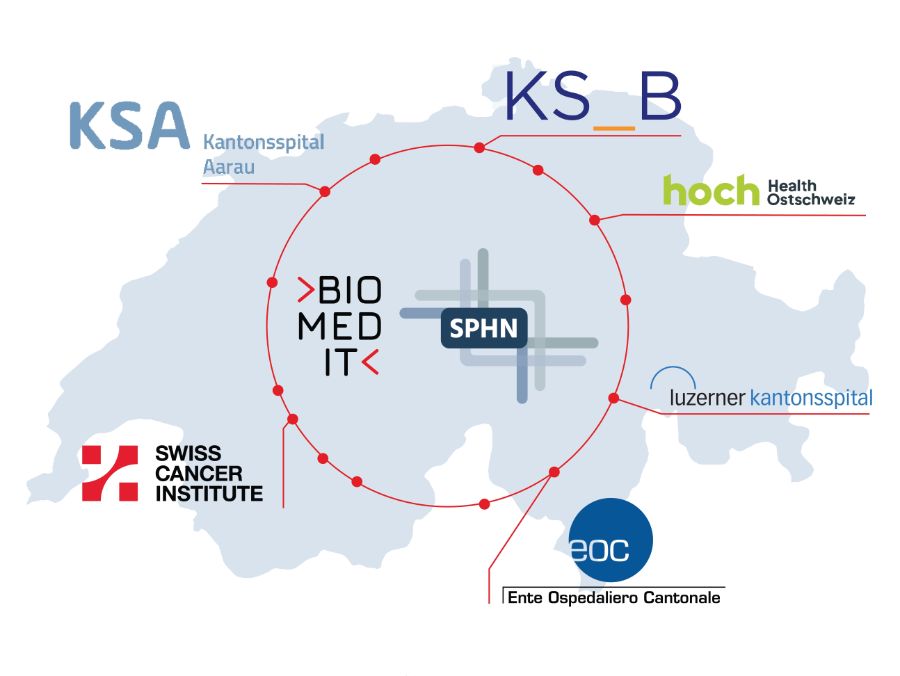
Six new healthcare institutions have been onboarded to the Swiss Personalized Health Network (SPHN). These include five cantonal hospitals and the Swiss Cancer Institute, which are now ready to contribute clinical data to multi-site research projects in personalized medicine. This is a key achievement in the ongoing effort to extend and standardize health data exchange across Swiss healthcare institutions.
The newly onboarded institutions currently provide – to various degrees – a standardized minimal dataset covering demographics, diagnoses, procedures, medications, laboratory tests, etc. The connection to the Swiss Cancer Institute further strengthens oncology research. Now, standardized datasets from Swiss cancer patients can be shared in the SPHN format. These developments are paving the way for collaborative, data-driven research and ultimately, for more personalized and effective patient care. More Information can be found on the SPHN website.
Visit the website
Funding
02.02.2026
New funding program: Research in migration and health
In December, the Stanley Thomas Johnson Foundation and the SAMS launched the funding program «Research in migration and health». Its goal is to promote equitable access to healthcare for vulnerable migrants in Switzerland and to strengthen research capacity and cooperation between research groups. The submission deadline is 1st June 2026
Despite a growing research activity in migration and health in Switzerland in the past years, research is still largely dispersed across disciplines and institutions. To address this gap, the Stanley Thomas Johnson Foundation is providing CHF 2.7 million over a period of three years. The program funds project grants that encourage collaboration between research groups and disciplines. Priority is given to intervention studies aimed at improving health care provision. Detailed information can be found on our website.
Regulations of the funding program (PDF)
SPHN
27.01.2026
SPHN: Clinical data from 800’000 patients unlocked
After eight years of coordinated effort, the Swiss Personalized Health Network (SPHN) released the metadata of a uniquely rich national clinical dataset, spanning more than 800’000 patients and billions of semantically harmonized data points across diagnoses, procedures, labs, medications, vital signs, and more. Researchers can now easily discover what data exists in Switzerland and how to access it.
Since 2018, SPHN has built a national data infrastructure that enables healthcare institutions to harmonize clinical routine data without centralizing sensitive patient information. The publication of the SPHN Federated Clinical Routine Dataset marks a significant step toward a more connected and interoperable Swiss health data ecosystem. It provides a foundational resource for researchers, clinicians, and innovators seeking to plan studies, design data-driven solutions and ultimately advance personalized health and patient care in Switzerland. More information can be found on the SPHN website.
Visit the website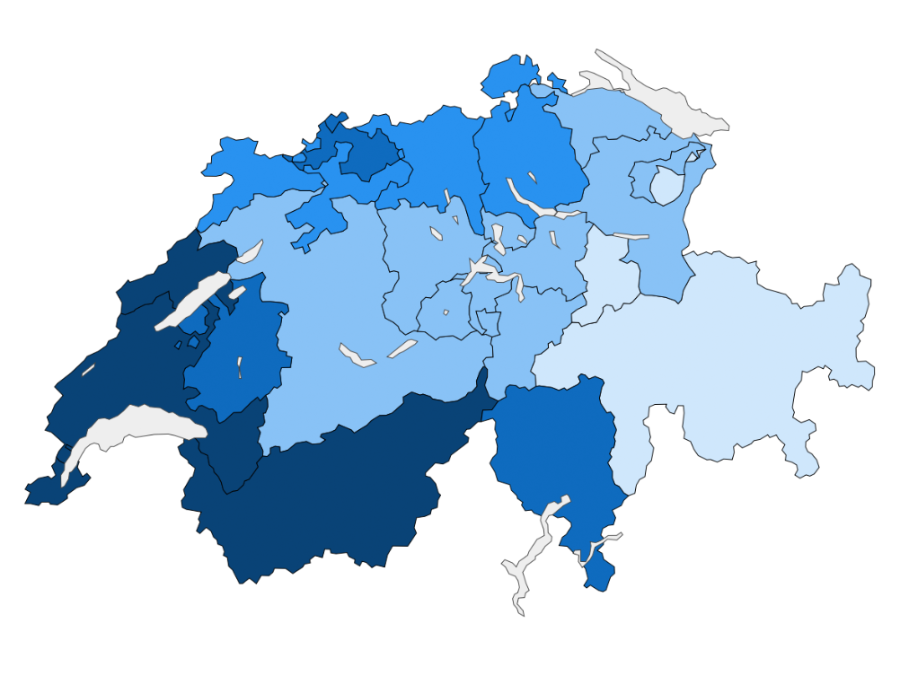
Funding
23.01.2026
Update of the Swiss Health Care Atlas with data for 2024
Published by the Swiss Health Observatory (Obsan), the Health Care Atlas documents the use of healthcare services based on over 100 indicators, ranging from ADHD medication to cardiac catheterization and radiotherapy. Obsan recently announced that the Healthcare Atlas has been updated with data for the year 2024.
A comprehensive description of geographical patterns in the use of health services provides an important basis for improved planning of our healthcare system and for political decision-making. The SAMS had co-financed the first version of the Atlas and continues to promote its use. Visit the website for detailed information on this valuable resource and its latest developments.
Visit the website
Academy
16.01.2026
Call for nominations: Marcel Benoist Prize in the field of life sciences
Awarded annually since 1920, the Swiss Science Prize Marcel Benoist recognizes a scientist whose work has had a significant impact on human life and society. In 2026, the Prize, endowed with CHF 250’000, will be awarded in the field of life sciences (biology and medicine). Nominations can be submitted until 23 February 2026.
The Marcel Benoist Swiss Science Prize is Switzerland’s most prestigious research prize. On behalf of the Marcel Benoist Foundation, the Swiss National Science Foundation (SNSF) is responsible for evaluating all nominees and selecting the winner on behalf of the Foundation’s Board. Detailed information on the nomination criteria and conditions can be found on the Foundation’s website.
Visit the website
Academy
09.01.2026
Become a member of the Swiss Young Academy
The Swiss Young Academy (SYA) brings together young researchers from a wide range of scientific disciplines. It creates an inspiring environment for inter- and transdisciplinary exchange. The current call for applications, with submission deadline on 28 February 2026, offers the opportunity to apply for a five-year membership.
The Swiss Young Academy consists of members from different scientific disciplines and universities. They are regarded as the young voice of the Swiss Academies of Arts and Sciences and can raise concerns relevant to the next generation of researchers. Would you like to become actively involved in Switzerland's largest scientific network? Individuals with a background in medical sciences are welcome to apply. Please visit the JAS website for more information on the requirements and application procedure.
Visit the website
Academy
08.01.2026
ECAE: New President and revised by-laws
The Ethics Committee for Animal Experimentation (ECAE) is a joint commission of the SAMS and the Swiss Academy of Sciences (SCNAT). It acts as an expert and advisory body in the field of animal experimentation. At its meeting in November 2025, the SAMS Senate elected Prof. Michael Hottiger, Zürich, as chair of the ECAE. It also approved the entry into force of the revised by-laws. These describe the Commission’s composition, define the processes and clarify the roles of the two Academies.
Prof. Michael Hottiger will assume the role of President in summer 2026. In the meantime, Prof. Michael Schmid, Vice-Chair of the ECAE, will serve as interim chair. The Academies would like to express their sincere thanks to Prof. Hanno Würbel for his excellent presidency (2018–2025). Under his leadership, the ECAE achieved many major milestones, such as the revision of the «Ethical Guidelines for animal experiments», the «Weighing of interests for proposed animal experiments» and the development of a document on possible reforms to the authorization procedure. Further information about the ECAE, its activities, and its publications can be found on our website.
By-laws, French version (PDF)
Academy
05.01.2026
«The Health Insurance Act is a law about money flows, not about health»
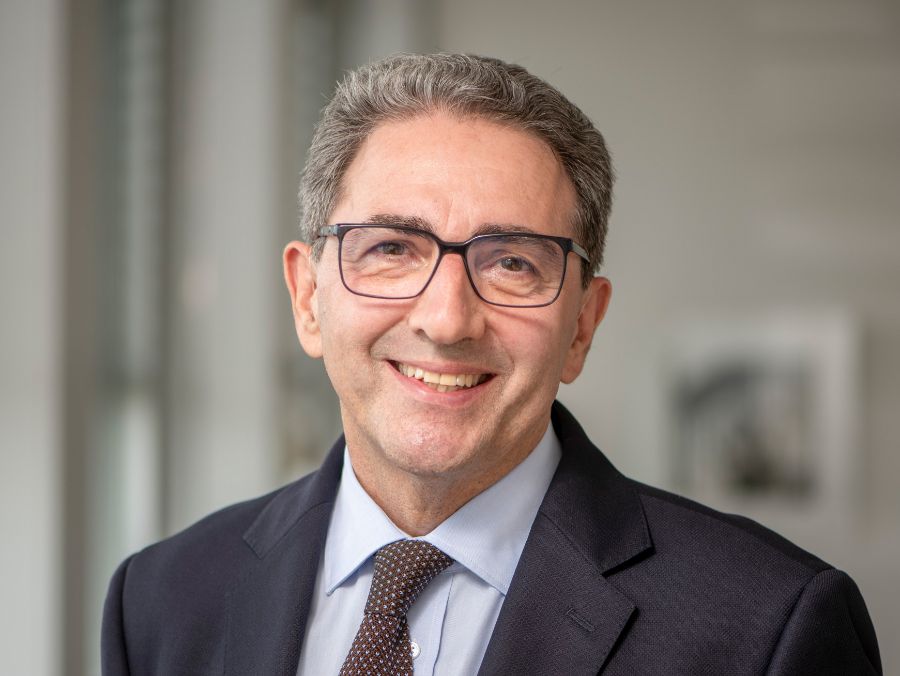
At the end of the year, CH Media spoke with Arnaud Perrier, President of the SAMS, about rising healthcare costs, increasing administrative responsibilities, and other challenges within the healthcare system. Prof. Perrier advocates for easily accessible primary care organized through networks and a better distribution of tasks between doctors and nurses. He also explained why Switzerland needs an article on health in the Constitution.
«The Health Insurance Act is a success story. For 30 years, it has guaranteed insurance coverage and basic services for everyone. However, it is a law about money flows, not about health. Therefore, it is not suitable as a framework for a national health strategy.» Read the CH Media interview to learn why Switzerland needs such a strategy, what key points it could contain, and why it should not be equated with centralization of the system. The full article, published in various Swiss German newspapers, is also available on the online platform «watson».
Visit the website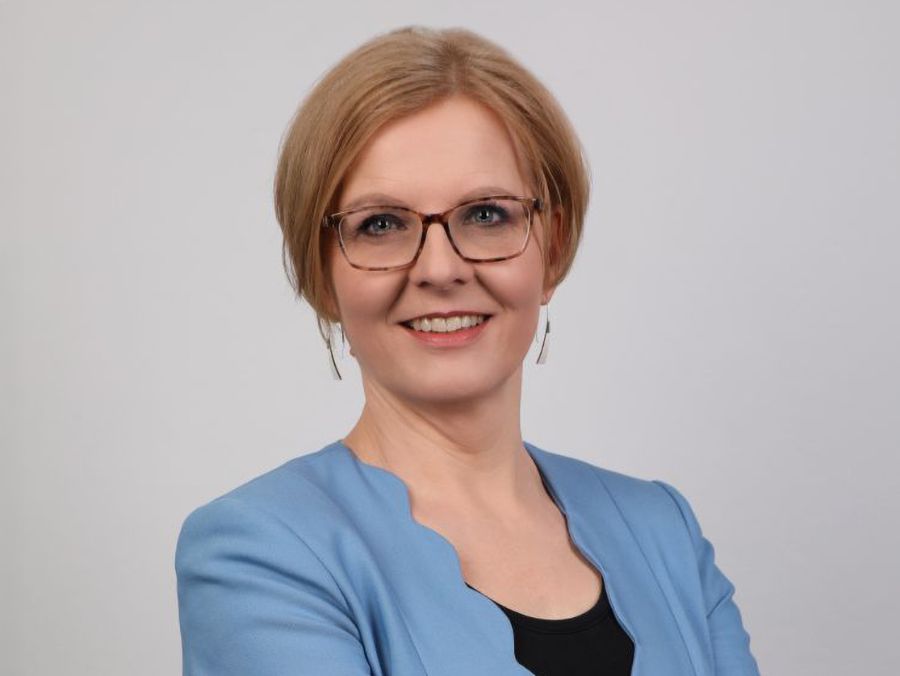
Ethics
02.01.2026
Regina Aebi-Müller: Second Vice President of the Central Ethics Committee
The Central Ethics Committee (CEC) of the SAMS identifies and discusses ethical challenges in medicine. Together with its subcommittees, it releases medical-ethical guidelines and publishes position statements on current issues. The CEC comprises physicians from various specialties as well as experts in nursing, ethics and law. As of 1 January 2026, the Committee will have a second Vice President: Professor Regina Aebi-Müller, a long-standing member of the CEC, has been elected to the Board.
The CEC generally meets four times a year. Between these meetings, the Board – consisting of the President, the two Vice Presidents, and the Head of the Ethics Department – convenes to ensure that urgent matters are addressed promptly and that the full-day CEC sessions are thoroughly prepared and appropriately followed up. Detailed information about the tasks and functioning of the CEC can be found in the regulations, available in French and German, and on our website. A complete list of members is also available there.
CEC Regulations, French version (PDF)